Your basket is currently empty!
Blog
-
Vape Maintenance: Cleaning Coils & Tanks for Better Flavour
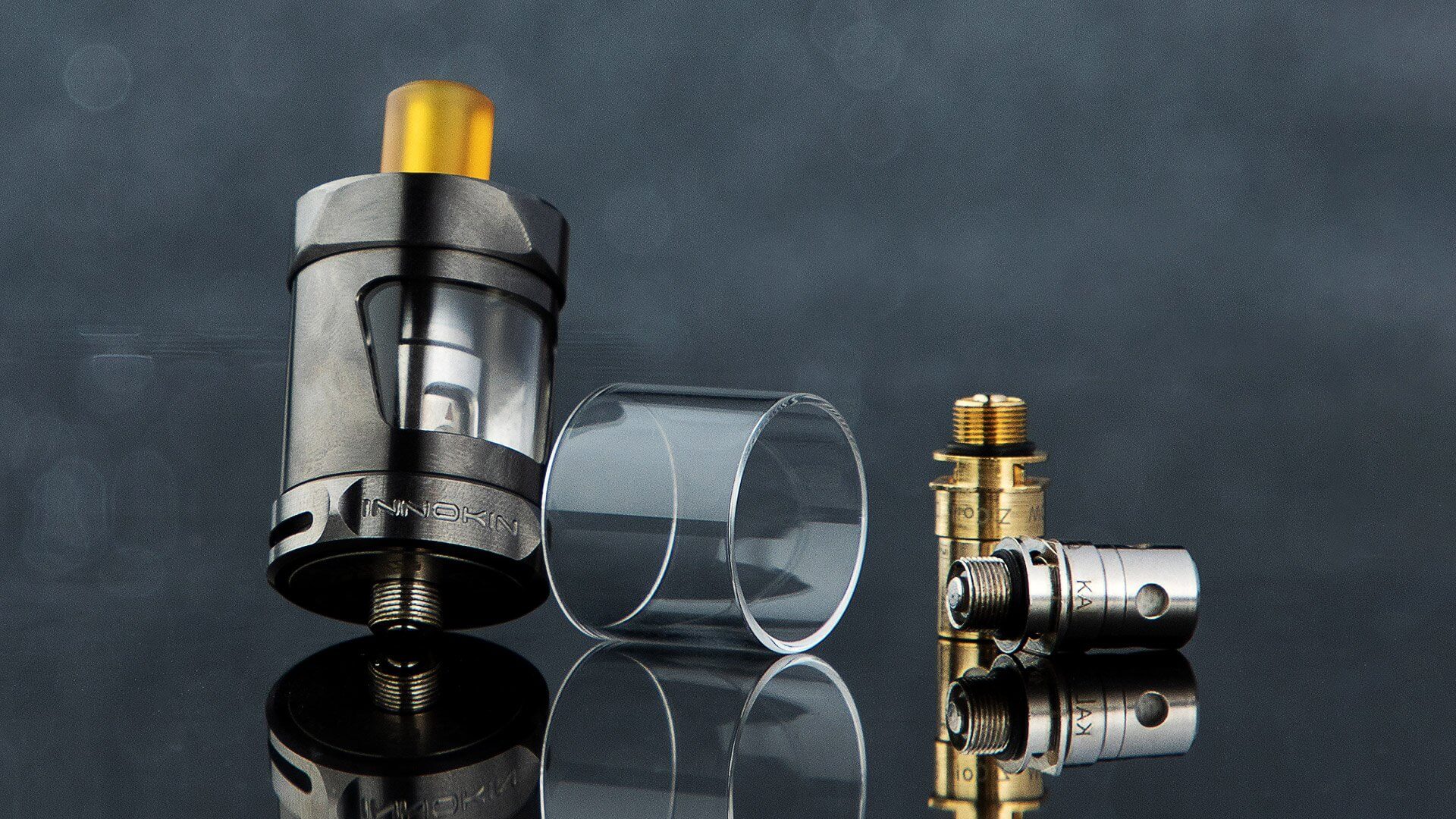
A clean vape is a happy vape. Regular maintenance keeps flavour crisp, reduces leaks, and extends the life of your kit. This guide walks you—step by step—through cleaning tanks and coils (both stock prebuilt heads and rebuildables). It’s written for UK vapers and shop teams who want an easy, reliable reference.
At-a-Glance Cheat Sheet
- Quick tank clean (between flavours): Rinse, dry, reassemble (10–15 mins + drying time).
- Deep tank clean (weekly or after strong flavours): Disassemble fully, warm soapy wash, rinse, optional vodka/PG soak, dry 100%.
- Stock coil heads: Rinsing can buy you a little time, but burnt coils must be replaced.
- Rebuildable coils (RBA/RTA/RDA): Remove wick → light pulse (no red-hot) → brush/rinse → re-wick.
- Drying: Let everything air-dry completely (ideally overnight). Never reassemble parts while damp.
What You’ll Need
- Bowl(s) of warm water (not boiling)
- A drop of mild, unscented dish soap (for tanks only)
- Paper towels or a microfibre cloth
- Cotton buds / swabs and pipe cleaners
- A soft toothbrush
- Ceramic tweezers (for rebuildables)
- Optional: a small amount of unflavoured vodka or propylene glycol (PG) for stubborn residue (tanks only)
- Optional: ultrasonic cleaner (handy, not required)
- Spare O‑rings (nice to have)
Safety first: Keep e‑liquid away from children/pets. Never immerse a mod/battery. Unplug/remove batteries before cleaning. Avoid harsh chemicals (bleach, isopropyl alcohol) on vape parts that contact e‑liquid.
Part 1: How to Clean a Vape Tank (Step by Step)
When to clean
- Quick clean: any time you switch flavours or notice muted taste.
- Deep clean: every 1–2 weeks, or after using strong flavours (menthol, cinnamon, anise), or after a leak.
A. Quick Clean (Between Flavours)
- Disassemble the tank completely: drip tip, top cap, glass, chimney/airflow base. Remove the coil head and set it aside.
- Rinse all tank parts (not the coil) under warm running water for 30–60 seconds.
- Use a soft toothbrush/cotton bud to loosen any visible residue in threads and crevices.
- Shake off water, then pat dry with a microfibre cloth.
- Air-dry the parts on a paper towel for at least 30–60 minutes (longer is better).
- Reassemble the tank, lubricating O‑rings with a tiny smear of e‑liquid to prevent pinching.
B. Deep Clean (Weekly or After Strong Flavours)
- Disassemble fully (as above). Remove O‑rings if they’re loose/worn and set aside so you don’t stretch them.
- Prepare a bowl of warm water + a drop of mild dish soap. Soak parts for 10–15 minutes.
- Brush gently with a soft toothbrush; use cotton buds/pipe cleaners for airflow slots and chimney.
- Rinse thoroughly under warm water until all soap is gone.
- For stubborn flavour ghosting, optional soak in unflavoured vodka or PG for 10 minutes (no isopropyl or perfumed cleaners). Then rinse again with warm water.
- Dry: shake off excess, pat dry, then air-dry completely—ideally overnight. Moisture left inside can cause gurgling and weak flavour.
- Inspect O‑rings for nicks or swelling; replace if damaged to prevent leaks.
- Reassemble, lightly lubricating O‑rings with a tiny drop of e‑liquid.
Pro Tips for Tanks
- Avoid boiling water and sudden temperature changes—can crack glass or warp seals.
- Don’t overtighten parts; snug is enough to protect O‑rings.
- If you’ve had a leak, check the glass is seated and O‑rings are correctly positioned.
- A quick ultrasonic cleaner cycle (warm water only) can speed deep cleans—rinse and dry afterward.
Part 2: Coils—What You Can (and Can’t) Clean
There are two broad types of coils:
- Stock/prebuilt coil heads (the screw-in cartridges for most tanks)
- Rebuildable coils (RBA/RTA/RDA) that you wrap/replace and wick yourself
A. Stock/Prebuilt Coil Heads
Reality check: You cannot reverse a burnt coil. Cleaning can remove surface juice and improve flavour slightly if the coil isn’t burnt, but if you taste burnt/char or see very dark cotton, it’s time to replace.
When a rinse might help: flavour carryover, minor gurgling, or after a sweet e‑liquid.
How to (mild) clean a stock coil head
- Remove the coil from the tank.
- Rinse the coil under a gentle stream of warm water for 60 seconds. Do not use soap.
- Blow through the coil from the open end to push out water. (Optional: gently tap on a paper towel.)
- Air-dry upright for at least 12–24 hours until fully dry. Do not use high heat; it can damage seals.
- Prime & reinstall (see below).
If performance is still poor, replace the coil. Cleaning only buys limited time and won’t fix a burnt wick.
B. Rebuildable Coils (RBA/RTA/RDA)
Good news: You can clean the metal coil and replace the wick for a like-new vape.
Step-by-step: dry-burn & rinse method
- Remove the wick (cotton) with tweezers.
- Pulse at low wattage (short taps) until light residue glows and flakes—do not hold the fire until red‑hot for long.
- Release the fire, allow to cool slightly, then brush/strum the coil gently with a small brush or ceramic tweezers to knock off carbon.
- Rinse under warm water or dip in water, then pulse briefly to evaporate moisture (careful—small pulses only).
- Repeat the rinse + pulse cycle until the coil heats evenly from the centre out.
- Dry fully. Then re-wick with fresh cotton, trim tails, and reassemble.
Mesh RBAs: Avoid prolonged glowing—use very short, low-wattage pulses. Never glow mesh bright red for extended periods.
Priming & Reassembly (After Any Coil Work)
- Prime the coil: put 2–4 drops of e‑liquid directly onto the exposed cotton ports until they look saturated.
- Assemble the tank and fill with e‑liquid.
- Wait 10–15 minutes for full saturation (longer for high-VG juices or very large coils).
- Start low wattage: begin at the bottom of the coil’s wattage range, take a few gentle pulls, then step up.
How Often Should I Clean/Replace?
- Quick tank rinse: every flavour change.
- Deep tank clean: every 1–2 weeks.
- Stock coil heads: typically 1–2 weeks of life (varies by juice sweetness, power, and usage).
- Rebuildable wick: replace whenever flavour drops or after 1–3 days of sweet juices; coil clean every few wick changes.
Signs it’s time for a new stock coil
- Burnt taste, even after priming
- Muted flavour / poor vapour
- Persistent gurgling or leaking
- Very dark cotton or visible scorching
Troubleshooting
- Muted flavour after cleaning → Check that the coil is fully primed; try a few low‑wattage puffs. Verify airflow isn’t blocked.
- Leaking → Inspect O‑rings, tighten (snug), ensure glass is seated, keep wicking ports above juice line when filling.
- Gurgling/flooding → Too much liquid in the coil; remove tank, flick downward into a tissue, take a few short puffs at low power.
- Harsh hits → Wattage too high, insufficient priming, or coil is spent.
FAQs (SEO‑friendly)
How do I deep clean a vape tank (UK)? Disassemble, warm soapy soak (10–15 min), rinse thoroughly, optional vodka/PG soak, air‑dry fully, reassemble.
How do I clean a vape coil without alcohol? For stock coils, warm‑water rinse + 24‑hour dry; for rebuildables, remove wick → light pulse → brush/rinse → re‑wick.
Can I use isopropyl alcohol to clean my tank? Not recommended for parts that contact e‑liquid. If you must, use only a small amount on non‑porous metal/glass and rinse extremely well. Safer options: warm water, mild dish soap, unflavoured vodka, or PG.
Will boiling water clean faster? Risk of thermal shock to glass/O‑rings. Use warm—not boiling—water.
Final Takeaway
Clean tanks and correctly maintained coils give better flavour, fewer leaks, and a longer‑lasting device. Quick rinses between flavours and periodic deep cleans are the difference between a frustrating vape and a consistently great one.
-

Advanced Vape Kits in 2025: Tanks, Mods & Coils Explained
In 2025, beyond beginner-friendly pods and pens, advanced vape kits continue to attract experienced vapers. These setups—made up of tanks, mods, and replaceable coils—deliver a highly customisable vaping experience with superior performance.
What Makes a Vape Kit “Advanced”?
Advanced vape kits usually include three core components:
- Tanks – where e-liquid is stored and vapourised.
- Mods – the power source, often featuring adjustable wattage, temperature control, and display screens.
- Replaceable coils – heating elements that can be swapped or rebuilt for different vaping style
Unlike disposables or pod systems, advanced kits allow fine-tuning of key settings like wattage, airflow, and resistance.
Key Features of Advanced Vape Kits
- Customisable Wattage – Control vapour output and throat hit by adjusting power.
- Adjustable Airflow – Fine-tune how airy or restricted your draw feels.
- Replaceable Coils – Choose coils for direct-to-lung (DTL) or mouth-to-lung (MTL) vaping.
- Durable Tanks – Often glass or stainless steel, built to last.
- Mods with Smart Features – From safety protections to battery efficiency and even Bluetooth connectivity in some 2025 models.
Benefits for Enthusiasts
- Bigger clouds and intense flavour compared to pods and pens.
- Ability to experiment with different e-liquids, VG/PG ratios, and coil types.
- Long-term savings—though upfront costs are higher, replaceable parts extend kit life.
- Personalisation: every element can be tailored to your preferences.
Considerations Before Upgrading
Advanced kits are rewarding but require more upkeep:
- Coil replacement: usually every 1–2 weeks depending on usage.
- Tank cleaning: regular rinsing to avoid flavour mixing.
- Battery care: safe charging and storage practices are essential.
These responsibilities may not suit casual vapers, but enthusiasts find the trade-off worth it for performance.
Final Thoughts
For vapers in 2025, advanced kits remain a strong choice for those seeking quality, personalisation, and performance. While they demand more care than pods or disposables, the payoff is superior flavour, stronger nicotine hits, and a truly tailored vaping journey.
- Tanks – where e-liquid is stored and vapourised.
-
Smoking vs Vaping: Which is Safer in 2025?
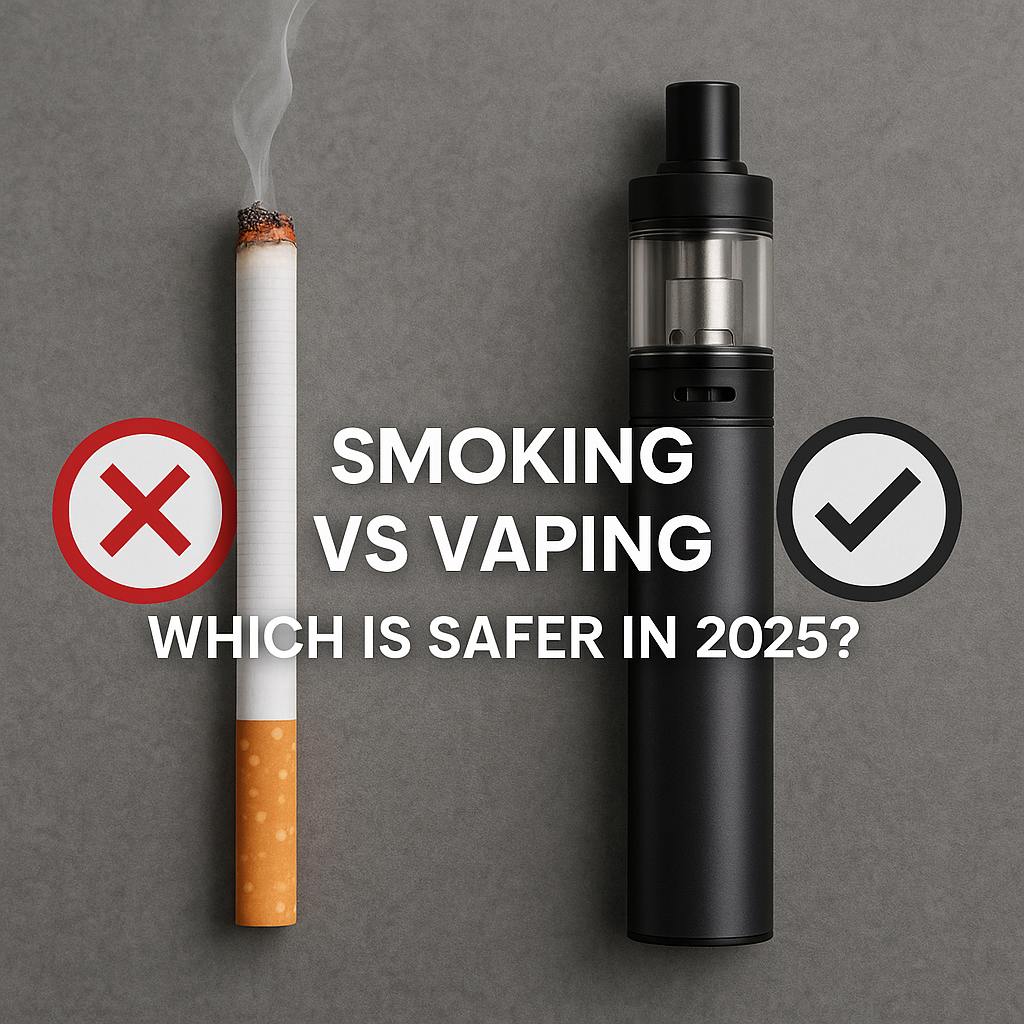
The debate over smoking versus vaping continues into 2025, but the consensus among health authorities remains clear: vaping is significantly less harmful than smoking. While neither option is completely risk-free, switching from cigarettes to vaping drastically reduces exposure to the toxins that cause disease.
What the Evidence Shows
- Public Health England (PHE) and the NHS continue to state that vaping exposes users to far fewer harmful chemicals compared to smoking.
- Smoking involves combustion, releasing thousands of chemicals, including tar and carbon monoxide—both linked to cancer, lung disease, and heart conditions.
- Vaping delivers nicotine through vapour without burning tobacco, meaning no tar or carbon monoxide.
In short, vaping offers nicotine satisfaction with a much lower toxic load.
The Dangers of Smoking
- Produces 7,000+ chemicals, many of them carcinogenic.
- Causes lung cancer, COPD, heart disease, and countless other health problems.
- Highly addictive due to nicotine and the ritual of smoking.
Smoking remains the leading cause of preventable death in the UK.
The Benefits (and Limits) of Vaping
- Fewer toxins: dramatically reduces exposure to harmful substances.
- No combustion: vapour, not smoke, means no tar or carbon monoxide.
- Harm reduction: recognised as a safer alternative for adult smokers.
- Not risk-free: still delivers nicotine, and long-term effects are still being studied.
Key point: For smokers who cannot or do not want to quit nicotine, switching to vaping is far less harmful than continuing to smoke.
Common Myths Debunked
- “Vaping is just as bad as smoking.” False. Evidence consistently shows it is far less harmful.
- “Vaping causes popcorn lung.” No evidence supports this claim; UK-regulated e-liquids do not contain diacetyl (the chemical linked to popcorn lung).
- “Second-hand vapour is as dangerous as second-hand smoke.” Research shows vapour contains significantly fewer toxins than smoke.
Guidance from Health Authorities
- NHS guidance (2025): Vaping is a useful tool for quitting smoking and is substantially less harmful than continuing to smoke.
- Public Health England: Continues to support vaping as a harm reduction method for adult smokers.
Final Takeaway
In 2025, the science is clear: while not risk-free, vaping is a far safer alternative to smoking. For smokers looking to reduce harm while still satisfying nicotine cravings, switching to vaping is a positive step forward. Education and honest communication remain key in helping more adults make the switch and improve their health outcomes.
-

Best Selling Rechargeable Vape Kits in 2025: Hayati, Hyla, Pyne Pod & IVG
-
Oxva Tasteflex SL 12K Prefilled Pod Kit
£7.99 Select options This product has multiple variants. The options may be chosen on the product page -
MULTI BUY
IVG XL 35K Prefilled Pod Kit
£10.99 Select options This product has multiple variants. The options may be chosen on the product page -
MULTI BUY
 TRENDING
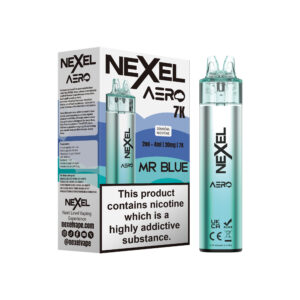
Nexel Aero 7K Prefilled Pod Kit
£6.99 Select options This product has multiple variants. The options may be chosen on the product page -
 TRENDING
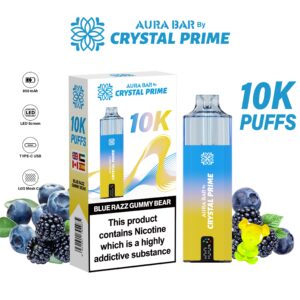
Crystal Prime Aura Bar 10K Prefilled Vape Kit
£7.99 Select options This product has multiple variants. The options may be chosen on the product page -
MULTI BUY
 TRENDINGHardware
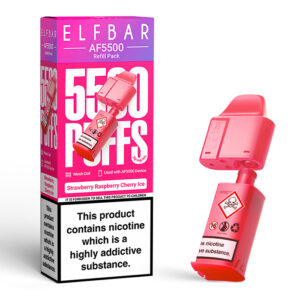
Elf Bar AF5500 Prefilled Pods
£4.99 Select options This product has multiple variants. The options may be chosen on the product page -
MULTI BUY
 TRENDINGHardware
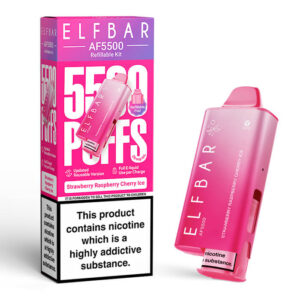
Elf Bar AF5500 Prefilled Pod Vape Kit
£6.99 Select options This product has multiple variants. The options may be chosen on the product page -
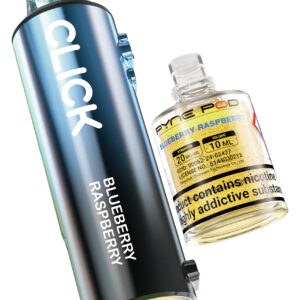 TRENDING
Pyne Pod Click Prefilled Pod
£4.99 Select options This product has multiple variants. The options may be chosen on the product page -
MULTI BUY
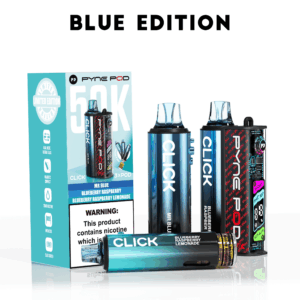 TRENDINGHardware
Pyne Pod Click 50K Prefilled Pod Kit
£10.99 Select options This product has multiple variants. The options may be chosen on the product page -
MULTI BUY
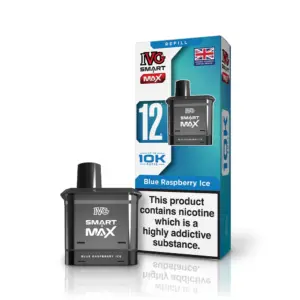 TRENDING
IVG Smart Max Prefilled Pod – 10K Puffs
£5.99 Select options This product has multiple variants. The options may be chosen on the product page -
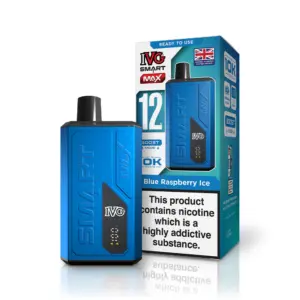 TRENDINGHardware
IVG Smart Max Prefilled Pod Kit – 10K Puffs
£7.99 Select options This product has multiple variants. The options may be chosen on the product page
-
-
The Ultimate Guide to Vaping in 2025: A Beginner’s Overview
Vaping has quickly become one of the UK’s most popular alternatives to smoking. In 2025, millions of adults rely on vape devices for nicotine delivery, while the government continues to regulate the industry to ensure safety, transparency, and compliance.
This guide is designed for beginners who are curious about vaping, covering the basics of devices, e‑liquids, safety tips, and essential accessories.
What is Vaping?
Vaping is the act of inhaling vapour produced by an electronic device (commonly called a vape or e‑cigarette). Instead of burning tobacco, vapes heat an e‑liquid that usually contains:
-
Nicotine (optional – available in varying strengths)
-
PG (propylene glycol) – carries flavour and gives a stronger throat hit
-
VG (vegetable glycerine) – creates smoother vapour and bigger clouds
-
Flavourings – from fruit and desserts to menthol and tobacco blends
Types of Vape Devices in 2025
There’s now a vape kit for every type of user. Here are the main categories:
-
Rechargeable Pod Kits
-
Compact, easy‑to‑use devices with replaceable or refillable pods.
-
Designed to replace disposables after the UK ban.
-
Convenient, affordable, and eco‑friendly.
-
-
Vape Pens
-
Slim, pen‑shaped devices, usually refillable with e‑liquid.
-
Simple design, affordable, and widely available.
-
-
Starter Kits
-
Bundles that include everything a beginner needs: device, pods/tank, charger, and sometimes e‑liquid.
-
Ideal for first‑time vapers who want an all‑in‑one solution.
-
-
Advanced Vape Kits (Mods & Tanks)
-
Larger devices with customisable settings (wattage, airflow, coil resistance).
-
Popular with hobbyists who want more flavour, vapour, and personalisation.
-
Understanding E‑Liquids
E‑liquid is at the heart of vaping, and knowing the options helps beginners make the right choice.
-
Nicotine Salts (Nic Salts): Smooth throat hit even at higher nicotine levels (10–20 mg). Great for ex‑smokers who want faster nicotine absorption.
-
Freebase Nicotine: Stronger throat hit, works well at lower nicotine strengths (3–6 mg). Often used in sub‑ohm devices.
-
Shortfills: Larger bottles of nicotine‑free e‑liquid (typically 50 ml or 100 ml). Designed so users can add nicotine separately.
-
Nicotine Shots (Nic Shots): Small bottles of concentrated nicotine (usually 10 ml, 18–20 mg). Added to shortfills to create the desired strength.
Essential Accessories for Vapers
To keep a vape kit running smoothly, beginners should know about basic accessories:
-
Coils & Cotton: Heating elements (coils) and wicking material (cotton) that need regular replacement in refillable devices.
-
Wire: For rebuildable atomisers (RBAs), hobbyists use resistance wire to build custom coils.
-
Batteries: Many advanced kits use external 18650 or 21700 rechargeable batteries. Always use reputable brands and a safe charger.
-
Cleaning Tools: Microfibre cloths, cotton buds, brushes, and even ultrasonic cleaners help maintain tanks and keep flavours fresh.
-
Chargers & Battery Cases: Protect batteries and ensure safe charging.
How to Choose Your First Vape
-
Nicotine strength: Higher strengths (10–20 mg) suit heavy smokers; lower strengths (3–6 mg) suit light smokers. Zero‑nicotine options are available.
-
Budget: Rechargeable pods and refillable kits are more cost‑effective long‑term compared to buying multiple single‑use devices.
-
Lifestyle: If you want portability, pod kits or vape pens are best. If you want performance, advanced kits may suit you better.
-
Flavours: Try different flavour profiles—fruit, menthol, dessert, or tobacco—to find what works for you.
Safety & Regulations (UK, 2025)
-
MHRA‑notified products only: Always buy vapes that comply with UK medical and safety standards.
-
Avoid unregulated imports: These may not meet quality or nicotine safety limits.
-
Age‑verified retailers: Legal sales are strictly 18+ in the UK.
-
Disposable vapes ban: From 2025, only rechargeable and refillable devices are legal in the UK.
-
E‑liquid limits: TPD rules cap nicotine e‑liquid bottles at 10 ml and 20 mg strength.
Tip for beginners: Stick to reputable UK vape shops and avoid “cheap” unbranded liquids online.
Final Thoughts
Vaping in 2025 offers an accessible, regulated alternative to smoking. For beginners, the key is understanding the basics of devices, e‑liquids, and accessories. With the right guidance, switching to vaping can be smoother, safer, and more satisfying.
Retailers who provide clear, transparent advice—covering everything from starter kits to e‑liquids and accessories—will not only educate but also foster loyalty, becoming trusted partners in the vap
-
-
Online Vape Sales Compliance: What’s New in 2025
Online sales are a vital part of the UK vaping industry, but in 2025 the government introduced tougher compliance measures to curb underage access and regulate e-commerce practices. For vape retailers, staying compliant online is now as critical as it is in-store.
The biggest change is mandatory age verification at checkout. Retailers must integrate third-party systems capable of cross-checking customer details against official records. This ensures that minors cannot bypass restrictions by simply clicking a confirmation box. Delivery companies are also obligated to check ID at the point of delivery, adding a second layer of protection.
Additionally, online vape retailers must ensure their websites are free from misleading claims. Health benefits cannot be advertised unless scientifically validated, and all listings must clearly display nicotine warnings. Stock images of non-compliant packaging are prohibited, meaning shops must update product photos to reflect legal standards.
For retailers, failure to comply with these rules risks fines, website takedowns, or bans from payment processors and couriers. Conversely, compliant shops can leverage their responsible approach as a trust-building marketing point.
From an SEO perspective, blogs addressing ‘UK online vape sales compliance 2025’ or ‘legal vape delivery UK’ can draw traffic from both customers and other retailers seeking clarity. Adding FAQs on age verification and delivery rules can also boost visibility and customer trust.
The future of online vape retail depends on transparency and compliance. By embracing the 2025 rules, e-commerce stores can protect their businesses, reassure customers, and maintain strong reputations in an increasingly regulated market.
-
How UK Vape Packaging Laws Are Changing in 2025
Packaging plays a huge role in how products are perceived—and in 2025, the UK government has tightened vape packaging laws to align more closely with tobacco regulations. The goal is twofold: reduce youth appeal and strengthen health messaging.
One of the most significant changes is the requirement for plain packaging. Bright colours, cartoon characters, and playful branding are now prohibited. Instead, e-liquids and vape kits must use standardised designs, with clear nicotine warnings covering at least 30% of the front and back. This move mirrors the approach taken with cigarette packs, where plain designs were shown to reduce youth interest.
Retailers must also ensure that packaging includes full ingredient disclosures and complies with MHRA notifications. Child-resistant and tamper-proof bottles remain mandatory. Online shops are not exempt—images displayed on websites must reflect compliant packaging, or retailers risk penalties.
While some fear that plain packaging could reduce consumer engagement, many argue that it boosts industry credibility. By showing that vaping is a regulated product for adults, shops can attract more trust from health-conscious consumers and regulators alike.
For SEO, blogs targeting ‘UK vape packaging rules 2025’, ‘plain vape packaging law’, or ‘vape compliance tips’ can generate valuable organic traffic. Retailers who create guides explaining these changes not only improve rankings but also reassure customers that their products are safe and legal.
In 2025, packaging compliance is about more than avoiding fines—it’s about building trust. Retailers who adapt quickly and communicate transparently will stay ahead of competitors still catching up with the law.
-
Nicotine Strength Rules: 2025 Updates Every Vaper Should Know
Nicotine strength has always been one of the most closely regulated aspects of vaping in the UK. In 2025, these rules remain strict, with new enforcement measures to ensure compliance across both e-liquids and disposable devices.
Under the Tobacco and Related Products Regulations (TRPR), the maximum legal nicotine strength for e-liquids remains 20mg/ml. While this limit has been in place for years, 2025 brings tighter monitoring and harsher penalties for retailers caught selling non-compliant products. Many disposables popular in overseas markets—some with strengths exceeding 50mg/ml—are now outright banned from UK shelves.
Retailers must be vigilant when sourcing stock. Grey market imports or unregulated products present major risks, as Trading Standards officers now have broader powers to seize and fine non-compliant goods. Shops should buy only from trusted MHRA-registered suppliers and keep clear records of invoices.
For consumers, the changes are less about restriction and more about reassurance. Legal disposables and e-liquids are manufactured under safety regulations, ensuring consistency and transparency. Retailers can turn this into a selling point by educating customers about nicotine salt technology, which delivers smoother satisfaction even at lower strengths.
From an SEO perspective, blogs targeting ‘UK nicotine strength rules 2025’ or ‘legal vape nicotine limits’ can rank highly. Addressing common questions—like “why can’t I buy 50mg vapes in the UK?”—helps attract traffic while reinforcing compliance messaging.
Ultimately, nicotine strength rules protect both consumers and the industry. Retailers who prioritise compliance will avoid costly penalties, protect customer trust, and position themselves as responsible players in a regulated market.
-
UK Vape Regulations 2025: What Retailers & Consumers Must Know
The UK vaping industry continues to evolve rapidly as the government introduces tighter restrictions to protect youth while supporting adult smokers transitioning from cigarettes.
In 2025, several key regulations have been confirmed:
– **Flavour Restrictions**: Fruit and sweet flavours face new packaging and display guidelines, with some local councils testing stricter limits to reduce youth appeal.
– **Nicotine Caps**: The long-standing 20mg/ml limit remains, but enforcement has been stepped up, and fines for non-compliance are higher.
– **Packaging Rules**: Child-resistant packaging, clearer nicotine warnings, and plain design requirements are being trialled to align with tobacco packaging laws.For retailers, compliance is crucial: stocking products only from MHRA-notified suppliers, implementing strict age verification, and keeping up-to-date records of suppliers and invoices. Consumers, meanwhile, should purchase only from trusted stores to ensure product safety and legality.
From an SEO perspective, vape shops should publish authoritative, transparent blogs about these rules. This positions them as trusted voices in a regulated market, builds brand authority, and improves rankings for high-intent keywords like ‘UK vape law 2025’ or ‘legal vape flavours UK’.
Ultimately, compliance and education go hand-in-hand. Retailers that keep customers informed will not only avoid penalties but also win long-term trust.
-
UK Flavour Ban Updates: What’s Allowed in 2025
Flavour is one of the biggest drivers of vaping’s popularity, especially among smokers switching from traditional cigarettes. However, in 2025 the UK government tightened restrictions on e-liquid flavours in a bid to curb youth uptake. These changes affect both manufacturers and retailers, making compliance crucial.
The new rules prohibit flavours deemed to overly appeal to minors. This includes sweet-based options like bubblegum, candy floss, and fruit blends marketed with bright, cartoonish designs. Retailers can no longer stock e-liquids that feature imagery or branding associated with sweets or toys. The goal is to eliminate products that might entice underage users.
What remains permitted are staple flavours that adult vapers rely on, including classic tobacco, menthol, and some simplified fruit profiles. Brands are also being pushed toward plain or standardised packaging with clear nicotine health warnings, further reducing appeal to younger demographics.
For retailers, this means auditing their stock regularly and working only with manufacturers whose products are fully MHRA-notified. Non-compliant stock must be removed immediately to avoid penalties, including product seizures and fines. Shops must also update online listings, ensuring no banned flavours are marketed or displayed.
While some retailers worry about reduced sales, the changes present opportunities. Focusing on premium compliant flavours, refillable kits, and accessories can diversify revenue streams. SEO-wise, blogs targeting ‘UK vape flavour ban 2025’, ‘legal vape flavours UK’, or ‘menthol e-liquid rules’ can capture traffic from both consumers and retailers searching for clarity.
Customers will have questions—why are certain flavours gone? What alternatives exist? Retailers that provide education and transparent communication will not only remain compliant but also build stronger relationships with their customers. In 2025, the shops that thrive will be those that treat the flavour ban not as a setback, but as a chance to emphasise responsibility and quality.